The Referee is Always Right SVG: An Embroidery Review
As a professional designer who bridges the gap between digital graphics and physical textiles, I approach every new file with a specific question: will this actually stitch out well? When evaluating The Referee is Always Right Svg Design, my first impression is that it carries a distinct, bold personality. This isn't a delicate floral or a complex landscape; it is a statement piece rooted in sports culture and humor. The visual hierarchy suggests confidence, which is exactly what you want when creating merchandise for coaches, officials, or spirited fans. However, because this product is listed as an instant download for cutting machines like Cricut and Silhouette, any embroiderer must immediately verify if a digitized machine embroidery design version is included or if they are purchasing a vector graphic intended for vinyl. For the purpose of this review, I am evaluating the design's potential as a stitched asset, assuming you have secured the proper embroidery file or plan to digitize this graphic yourself.
Translating Bold Graphics to Stitched Reality
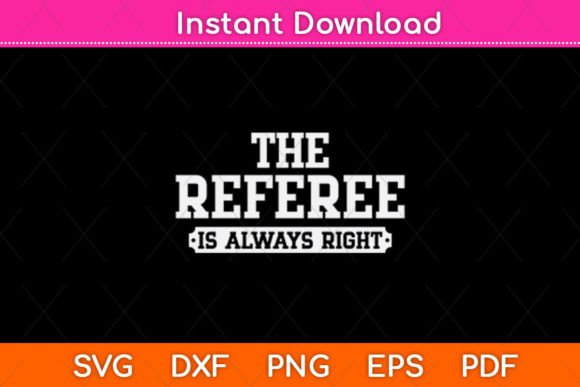
The phrase "The Referee Is Always Right" relies entirely on typography and attitude. In the world of Crafts and Graphics, text-heavy designs can be tricky. My initial assessment focuses on legibility. If the original SVG uses a distressed or grunge font, caution is required. While that texture looks fantastic on a screen or as heat transfer vinyl, it can become a nightmare in embroidery. Tiny gaps in distressed lettering often result in thread breaks or registration issues on the machine.
For a successful embroidery project, I recommend ensuring the lettering has clean edges suitable for a satin stitch. If the letters are too thick, they may require a fill stitch or bean stitch to prevent puckering. The layout of this specific design feels balanced for center-chest placement. It commands attention without being overwhelming, making it ideal for custom apparel where the message needs to be read from the stands or across a room. The mood is authoritative yet playful, striking the right tone for a handmade product meant to be worn with pride.
Real-World Application: The Coach’s Weekend Tote
To truly test the viability of The Referee is Always Right Svg Design, I mentally placed it on a recent client request: a heavy-duty canvas tote bag for a youth league head referee. This scenario highlights both the strengths and challenges of the design. Canvas is a textured fabric that demands respect. A lightweight running stitch outline might get lost in the weave of the material, so this design requires adequate stitch density to pop against the fabric texture.
In this real-life application, I would pair the design with high-contrast thread colors. Black thread on natural canvas or white thread on navy canvas ensures maximum readability. Because tote bags endure significant wear and tear, the stitching must be secure. If using this as a tote bag design, I advise against overly intricate shading. Instead, lean into bold, solid columns of stitching. This not only improves durability but also reduces production time, which is crucial for maintaining profit margins in a craft business. The result is a functional, personalized item that serves as both a tool and a badge of office for the recipient.
Sweatshirts and Apparel Considerations
Beyond bags, this design is a natural fit for sweatshirt embroidery. Hoodies and crewnecks are staples for Etsy sellers targeting the sports niche. However, fleece and French terry fabrics are stretchy and unstable. When hooping these garments, proper stabilizer selection is non-negotiable. I typically use a medium-weight cutaway stabilizer for sweatshirts to prevent the design from distorting after washing. Since The Referee is Always Right Svg Design is likely text-centric, keeping the fabric stable ensures the letters remain aligned and professional-looking. A warped or puckered design instantly devalues a finished product and damages customer trust.
Navigating Fabric Limitations and Hoop Sizes
While versatile, this design requires careful placement depending on the substrate. Here are practical observations for different applications:
- Caps and Hats: Curved surfaces are challenging for wide text designs. Before committing to a cap, check the width of the design against your specific hoop size. You may need to resize or reformat the layout to fit the limited vertical space of a hat frame without distorting the aspect ratio.
- Performance Wear: Moisture-wicking fabrics are thin and slippery. If applying this design to technical sportswear, use a water-soluble topping to keep stitches from sinking into the fabric. Test on scrap material first to ensure the needle isn't causing runs in the synthetic fibers.
- Baby and Youth Items: If adapting this for baby embroidery or youth sizes, scale is everything. Reducing a design too much can cause satin stitches to merge. Ensure the smallest text remains at least 4mm in height to maintain clarity.
- Patches: This phrase works exceptionally well as an embroidered patch. Creating a merrowed edge border around the text transforms it into a collectible item. Patches allow you to stitch on stable twill rather than difficult garments, making production faster and more consistent.
Commercial Viability for Makers and Sellers
For Etsy sellers and small shop owners, The Referee is Always Right Svg Design represents a strong niche opportunity. Sports officiating is a passionate community, and merchandise specifically validating their role is often underserved compared to player-focused gear. However, professionalism is key. Buyers in this demographic value accuracy and quality. A sloppy stitch-out implies disrespect to the profession.
When listing items featuring this design, use accurate printable mockups that reflect the actual stitch texture. Avoid generic digital previews that misrepresent the handmade nature of the product. Clearly state whether the item is embroidered or printed, as customers searching for commercial embroidery expect tactile quality. Furthermore, always verify licensing. Just because a file is available for Cricut users does not automatically grant commercial rights for embroidered goods. Protect your business by confirming you have the legal right to sell finished products featuring this specific artwork.
Essential Pre-Stitch Checklist
Before loading this design into your machine for a paid order, run through this practical checklist:
- Verify File Type: Confirm you have a true digital embroidery file (PES, DST, JEF, etc.), not just the SVG cut file. SVGs cannot be stitched directly without digitizing.
- Test Stitch-Out: Never skip the test run. Use a scrap of the exact fabric and stabilizer combination intended for the final project.
- Check Contrast: View the design in black and white on your screen to ensure internal details don't disappear when color is removed.
- Measure Twice: Physically measure the design output against the garment area. What looks proportional on a monitor may look massive on a small chest pocket.
- Review Density: If the design feels bulletproof or stiff, reduce density or switch to a lighter stabilizer to improve drape and comfort.
Final Thoughts on Design Integrity
The Referee is Always Right Svg Design offers excellent potential for makers willing to treat it with technical respect. Its strength lies in its clear messaging and cultural relevance. Whether you are creating a personalized gift for a spouse who referees weekend games or building a lineup of small shop products for the upcoming season, success depends on execution. By prioritizing proper stabilization, appropriate sizing, and fabric compatibility, you transform a simple digital graphic into a high-value textile product. Remember, in embroidery as in officiating, precision builds credibility. Take the time to dial in your settings, and this design will serve your portfolio and your customers well.