Gnome Coloring Card Holder SVG: A Designer's Review
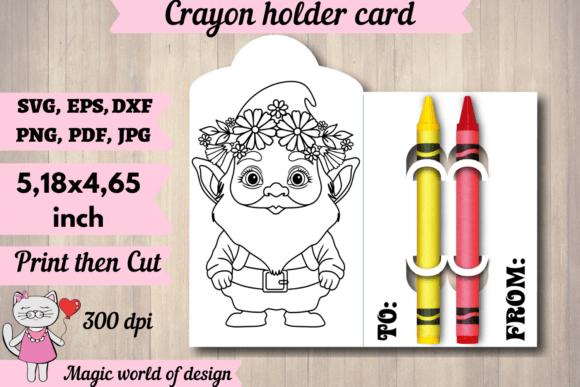
As a professional embroidery designer and product reviewer, I approach every new digital asset with a critical eye. When evaluating the Gnome Coloring Card Holder Svg, my first thought isn't just about how cute the graphic looks on a screen, but how it will translate into stitches, vinyl layers, or mixed-media projects for real clients. This design, measuring 5.18 x 4.65 inches, is marketed primarily as an Easter coloring card for print-and-cut machines like Cricut and Silhouette. However, for those of us in the Crafts and Graphics space who bridge the gap between digital cutting and needlework, this file presents unique opportunities and specific challenges that require careful consideration before listing a finished product in your Etsy shop or handing it to a customer.
First Impressions and Visual Personality
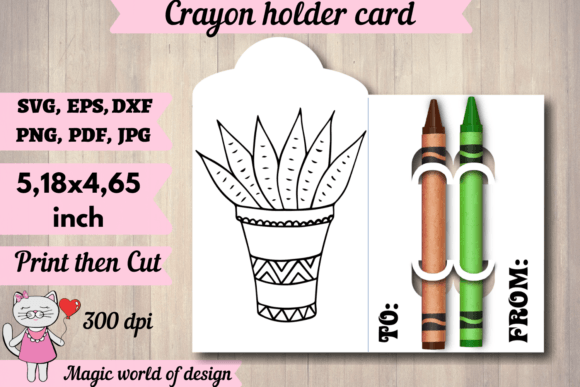
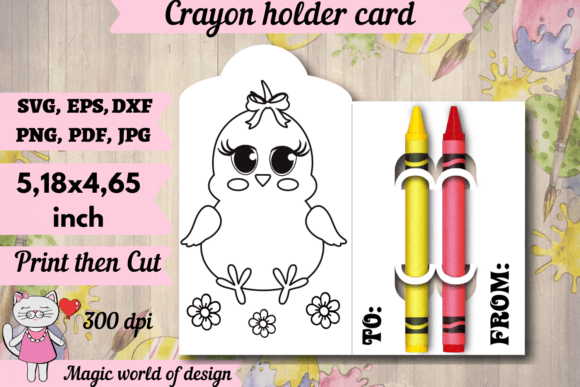
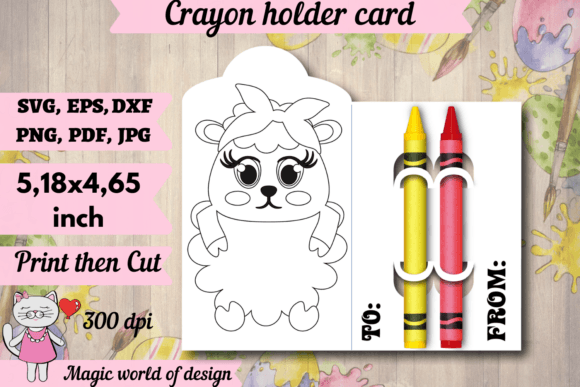
The immediate mood of this gnome design is whimsical and interactive. Unlike static holiday graphics, the "coloring card" aspect suggests engagement. Visually, the lines are likely clean and bold to accommodate markers or crayons, which is excellent news for embroiderers. Clean vector lines generally digitize better than shaded raster art because they provide clear paths for running stitch outlines and defined areas for fill stitch or appliqué. The gnome theme itself is a perennial bestseller in the handmade market, bridging the gap between winter coziness and spring renewal. For an Easter party treat or school gift, the aesthetic strikes the right balance between festive and functional. As a digital product seller, you will find that this visual personality resonates well with parents and teachers looking for activities that double as keepsakes.
Real-World Application: The Mixed-Media Tote Bag Project
To truly test the viability of the Gnome Coloring Card Holder Svg, I envision a real-life scenario: creating personalized canvas tote bags for an Easter egg hunt or a boutique spring collection. In this context, the design serves a dual purpose. You could use your cutting machine to create the physical coloring card insert from cardstock, while simultaneously using the SVG as a guide to embroider a matching outline or monogram frame directly onto the tote bag.
In this application, the 5.18 x 4.65 inch dimension is crucial. It fits comfortably within standard 5x7 hoops, making it accessible for most home embroidery machines. If I were stitching this onto a natural canvas tote, I would utilize the SVG’s line work to create a "color-by-number" style embroidered outline using a dark grey or black thread. This allows the recipient to actually color the fabric version with fabric markers, turning a standard tote bag design into an interactive personalized gift. For small business owners, this adds immense value; you aren't just selling a bag, you are selling an experience. However, if you intend to stitch the entire gnome as a traditional machine embroidery design, you must verify the stitch density. Canvas is forgiving, but if the original SVG has intricate internal details meant for printing, digitizing them all could result in a stiff, bulletproof patch that ruins the drape of the bag.
Navigating Fabric Limitations and Hoop Constraints
While the dimensions are versatile, where you place this design matters significantly. I advise caution when applying this specific gnome graphic to stretchy fabrics like jersey knits or thin baby clothes without significant modification. The size is substantial enough that if the stitch density is high, it may cause puckering on lightweight garments. For baby embroidery or onesies, consider scaling the design down or extracting just the gnome hat or face element to reduce coverage area.
Textured fabrics also present a challenge. Because this is designed as a coloring card, the integrity of the line work is paramount. On terry cloth towels or fleece, those crisp lines can get lost. If you plan to make kitchen towels or blankets, you must use a water-soluble topping and a sturdy stabilizer to keep the design legible. Additionally, be mindful of curved surfaces. While 5.18 inches is manageable on a flat sweatshirt, wrapping that width around a cap or hat brim is risky. For custom apparel like caps, I recommend resizing or repositioning elements to fit the curvature without distorting the gnome’s proportions. Always check your specific hoop size limits before committing to a production run; 4.65 inches is safe for most, but always measure twice.
Commercial Viability and Customer Trust
For Etsy sellers and creative entrepreneurs, the professionalism of your finished product hinges on execution. A jagged outline or misaligned color block derived from a print-focused SVG can damage buyer trust. When using the Gnome Coloring Card Holder Svg for commercial embroidery, ensure your digitizing respects the original art while adapting to textile physics. Customers appreciate when a design looks intentional rather than forced.
This design also offers excellent potential for printable mockups and digital product previews. Because it is vector-based, you can easily recolor elements to match seasonal trends or client branding without losing quality. This flexibility is vital for maintaining brand consistency across different product lines. Whether you are selling the digital file or the physical embroidered item, presenting it in a realistic context helps buyers visualize the end result. Just remember to confirm licensing terms explicitly; ensure you have the rights to sell finished embroidered products versus just the digital cut files, as these licenses often differ in the craft business world.
Essential Designer Notes for Success
Before you thread your needle or load your mat, adhere to these practical guidelines to ensure the Gnome Coloring Card Holder Svg performs beautifully in your studio:
- Test on Scrap Fabric First: Never stitch a new conversion directly on a final product. Test on similar weight fabric to check tension and registration.
- Verify Thread Color Contrast: Since this is a coloring-themed design, ensure your outline thread contrasts sharply against the base fabric so the image remains recognizable even before coloring.
- Review Stitch Density: If converting from SVG to PES/DST yourself, adjust fill settings to prevent fabric distortion. Print designs often have more detail than embroidery can handle cleanly.
- Check Licensing: Confirm whether the license covers commercial embroidery sales or only personal print-and-cut use. This protects your business legally.
- Use Proper Stabilizer: Match stabilizer weight to the fabric. Use tear-away for stable woven fabrics and cut-away for knits or stretchy materials to maintain shape over time.
- Mockup in Black and White: View the design in grayscale to ensure the values hold up without relying solely on color differentiation, ensuring accessibility and clarity.
- Inspect Small Details: Zoom in to check for tiny nodes or gaps in the SVG that might cause jump stitches or needle breaks during automation.
Ultimately, the Gnome Coloring Card Holder Svg is a charming asset that bridges digital crafting and textile art. With thoughtful adaptation and respect for embroidery mechanics, it can elevate your holiday offerings and delight customers seeking something beyond the ordinary. Approach it with technical precision, and it will reward you with professional, lovable results.