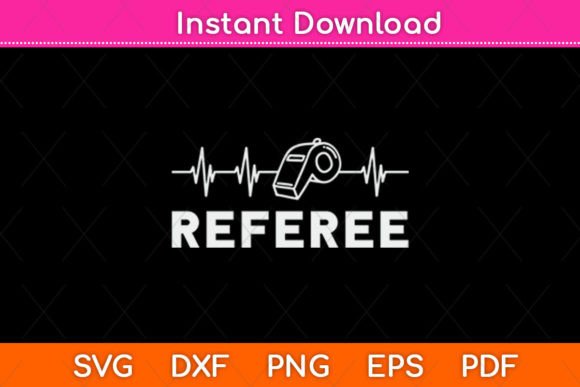
Heartbeat Referee SVG Design: An Embroidery Review
As a designer who bridges the gap between digital graphics and tangible textiles, I approach every new file with a specific question: will this actually stitch out well? When evaluating the Heartbeat Referee Svg Design, my perspective shifts from simple vector appreciation to practical embroidery application. This design, marketed primarily as an instant download for cutting machines like Cricut and Silhouette, holds significant potential for the embroidery community, but it requires a translator’s eye. We are taking a graphic intended for vinyl or paper and reimagining it as a machine embroidery design. The transition from screen to fabric is where the real value lies for Etsy sellers, craft business owners, and hobbyists looking to expand their product lines beyond adhesive vinyl.
Translating Vector Lines to Stitch Reality
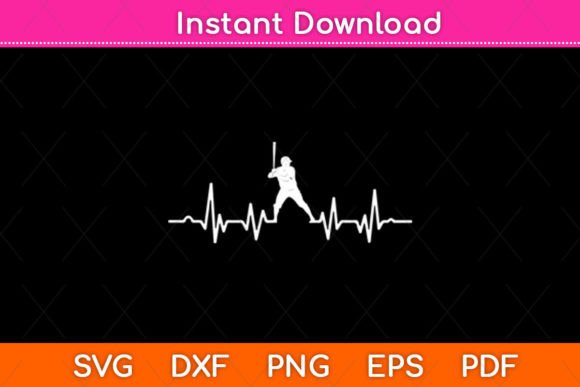
The first impression of the Heartbeat Referee Svg Design is one of rhythmic motion. The EKG line combined with referee iconography creates a narrative of passion, intensity, and dedication. Visually, it strikes a balance between sporty aggression and sentimental connection. However, as an embroidery project, we must assess the geometry. SVG files are composed of continuous paths, whereas embroidery relies on discrete stitch types. The "heartbeat" line in this graphic is likely a uniform stroke width. In digitizing terms, this translates perfectly to a satin stitch or a heavy running stitch, depending on the desired thickness.
For custom apparel, specifically sweatshirt embroidery or hoodies, this linear quality is advantageous. It avoids massive fill areas that can make garments stiff or bulletproof. The open nature of the design allows the fabric texture to breathe through the stitching, which is crucial for maintaining the drape of high-quality blanks. If you are planning to use this for a tote bag design, the bold lines will read clearly from a distance, making it an excellent choice for sideline gear or team mom merchandise. The visual personality here is unmistakable; it signals niche enthusiasm without being overly cluttered, a key factor for buyer engagement in crowded marketplaces.
Real-World Application: The Custom Sideline Sweatshirt
To truly test the viability of this asset, let us consider a specific scenario: creating a personalized gift for a referee spouse or a custom order for a local officiating association. I recently worked on a similar concept for a football official’s wife who wanted a crewneck sweatshirt for game days. Using a heartbeat-style graphic, the goal was to create something that felt handmade yet professional.
In this context, the Heartbeat Referee Svg Design serves as the perfect centerpiece. Because it is a digital asset originally meant for cutters, you have the flexibility to manipulate the nodes before digitizing. For the sweatshirt project, I would recommend placing the design across the upper chest rather than the center torso. This placement mimics retail athletic wear and elevates the perceived value of the finished product. When digitizing this specific SVG for fleece, I would increase the spacing between stitches slightly to account for the loft of the fabric. Fleece tends to swallow thin lines, so what looks delicate on a computer monitor might disappear in sweatshirt embroidery. By treating the SVG as a blueprint rather than a final map, you ensure the thread colors pop against the cotton blend background.
Navigating Fabric Constraints and Hoop Sizes
While the design is versatile, it demands respect for material limitations. Not every surface is suitable for this specific aesthetic. I advise caution when attempting this design on highly textured fabrics like terry cloth or ribbed knits. The intricate peaks and valleys of a heartbeat line can get lost in the pile of a towel or the ridges of a ribbed tank top. For these items, you would need to add a knockdown stitch or a base layer, which alters the original charm of the Heartbeat Referee Svg Design.
Furthermore, consider your hoop size carefully. Linear designs often require wider hoops. If you are limited to a standard 4x4 hoop, you may need to resize the graphic significantly. Reducing a complex SVG too much can result in thread breaks or unclear details, especially at the sharp angles of the EKG spikes. Always verify the dimensions after importing into your embroidery software. If the design becomes too small to maintain stitch integrity, it is better to pivot to a different application, such as an embroidered patch where density can be controlled more aggressively, or save the full-size version for larger items like blankets or pillow covers.
Stretchy performance fabrics also present a challenge. Referees often wear moisture-wicking gear, and customers may request this design on dry-fit shirts. These materials are unstable. Without the proper stabilizer combination—typically a cut-away mesh paired with a water-soluble topping—the heartbeat line will distort, pulling the fabric into a tunnel. Test on scrap fabric first. If the registration marks do not align perfectly during a test run, the final product will look amateurish. Customer trust is built on clean execution, not just clever concepts.
Commercial Viability and Brand Consistency
For small shop product lines and Etsy seller portfolios, consistency is currency. The Heartbeat Referee Svg Design offers a cohesive theme that can span multiple categories. Imagine offering a matching set: a baby embroidery onesie featuring a simplified version of the heartbeat line, paired with a parent’s tote bag featuring the full design. This cross-category merchandising increases average order value. However, because this is an instant download file where nothing is mailed, you must confirm licensing before selling. Ensure the creator permits commercial use of the digitized derivative. Protecting your business means respecting intellectual property while leveraging design assets legally.
Visual appeal in listings also depends on how you present this design. Since it is a graphic, use it to create printable mockups before you even thread a needle. Show customers what the personalized gift could look like on a navy hoodie versus a grey tee. Mockups bridge the gap between imagination and purchase. When you do produce physical samples for photography, pay attention to contrast. A black heartbeat line on a dark red shirt might look dramatic digitally but will fail to photograph well. High-contrast thread colors are essential for online sales where screen brightness varies. White, metallic gold, or bright neon threads often render best for this specific sports-themed aesthetic.
Designer Notes for Optimal Execution
Before you commit this design to a final garment, run through this practical checklist derived from years of troubleshooting commercial embroidery projects:
- Digitize with Intent: Do not auto-digitize the SVG. Manually assign stitch types. Use satin stitches for the main pulse line and perhaps a fill stitch or applique for any solid shapes within the referee icons.
- Check Node Count: SVGs optimized for cutting machines sometimes have excessive anchor points. Simplify the path in vector software before importing to embroidery software to prevent jagged stitching.
- Stabilizer Selection: Match the stabilizer to the fabric weight, not the design size. A lightweight design on heavy canvas still needs heavy-duty support.
- Thread Contrast Test: View your thread choice against the fabric in natural light. Indoor lighting can be deceptive.
- Wash Testing: If this is for holiday embroidery or frequent-use gear, wash the sample. Heartbeat lines can pucker if the tension is too tight. Adjust pull compensation accordingly.
- Licensing Verification: Re-read the terms of the instant download. Confirm if you can sell the digitized file itself or only the physical finished product.
The Heartbeat Referee Svg Design is more than just a trendy graphic; it is a foundational element for storytelling in textile art. Whether you are crafting a handmade product for a loved one or scaling up production for a boutique brand, success lies in understanding the translation from pixel to stitch. By respecting the technical requirements of embroidery and leveraging the emotional resonance of the design, you transform a simple digital file into a cherished, tangible keepsake. Always prioritize the integrity of the stitch over the speed of production, and your work will stand out in a marketplace saturated with generic goods.