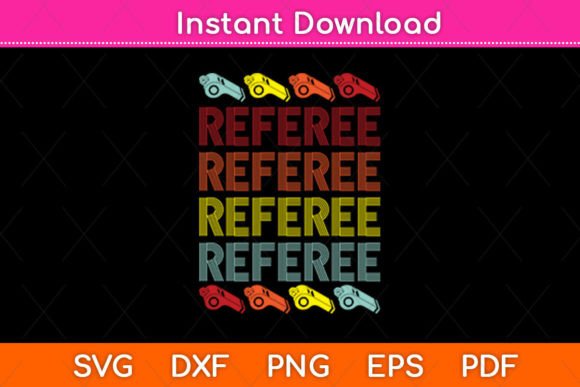
Referee Vintage Retro Style SVG: An Embroidery Review
As a professional embroidery designer and product reviewer, I approach every new graphic with a specific question: will this translate beautifully from screen to stitch? When evaluating the Referee Vintage Retro Style Svg Design, my focus shifts immediately from its digital origins to its potential as a tangible, stitched asset. While this file is marketed primarily for cutting machines like Cricut and Silhouette, experienced makers know that high-quality vector graphics are often the secret foundation for exceptional machine embroidery projects. In the world of Crafts and Graphics, versatility is king, and understanding how to adapt this retro aesthetic for needle and thread is where the real value lies for small business owners and Etsy sellers.
Capturing the Retro Sports Aesthetic in Thread
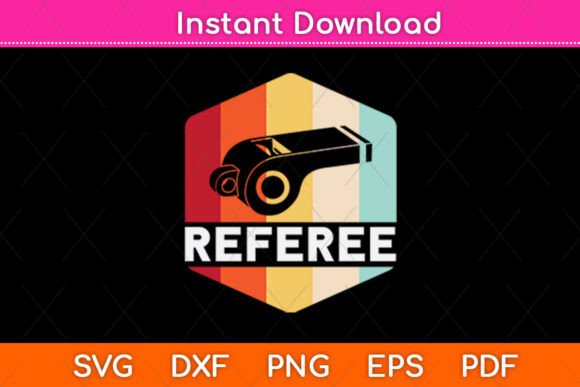
My first impression of the Referee Vintage Retro Style Svg Design is one of nostalgic clarity. The lines suggest a classic, mid-century sports vibe that feels authentic rather than costumey. For an embroidery project, this visual personality is gold. It avoids the overly complex shading that often causes puckering or excessive stitch counts, leaning instead into bold shapes and distinct color blocks. This makes it an ideal candidate for adaptation into an applique design or a combination of satin stitch outlines with fill stitch interiors.
The mood this design creates is playful yet structured. It doesn't scream "modern digital art"; it whispers "vintage varsity." For creative entrepreneurs building a brand around handmade heritage or athletic nostalgia, this graphic provides instant recognition. When I look at the layout, I see clean negative space that allows for personalization—perhaps adding a name below the referee figure or a year above it. This flexibility is crucial for custom apparel and personalized gifts, where the base design must serve as a canvas for client-specific details without losing its own identity.
Real-World Application: Stitching a Custom Sweatshirt
To truly judge this asset, I mentally placed it in a real-life scenario: creating a custom embroidered sweatshirt for a local youth league coach or a vintage sports enthusiast. Sweatshirt embroidery requires careful planning because fleece is textured and prone to swallowing fine details. The Referee Vintage Retro Style Svg Design performs well here precisely because of its retro simplicity. The bold geometry typical of this style holds up against the nap of french terry or heavyweight fleece better than intricate, realistic illustrations would.
In this application, I envision using the SVG as a template to digitize a mixed-media piece. The main body of the referee could be executed as an applique design using contrasting fabric, which reduces stitch density and keeps the garment soft—a critical factor for customer satisfaction. The stripes on the uniform and facial features would work best as satin stitch elements, providing that raised, tactile quality that defines premium commercial embroidery. For an Etsy seller, this specific combination elevates the perceived value of the finished product. It moves beyond a simple printed graphic to a textured, handmade item that justifies a higher price point and encourages buyer engagement through close-up detail photos.
Navigating Fabric Limitations and Hoop Constraints
However, no design is universally perfect, and practical judgment requires acknowledging limitations. While this graphic shines on stable knits and woven cottons, it demands caution on other substrates. If you are attempting baby embroidery on delicate interlock knit, the bold retro lines might be too heavy unless significantly simplified. Similarly, on stretchy performance fabrics often used in modern athletic wear, the vintage aesthetic might clash visually, and the stitch density required to cover the fabric could cause distortion without industrial-grade stabilizer.
Hoop size is another consideration. This design likely has a vertical orientation given the subject matter. Makers working with standard 4x4 hoops may need to resize or separate elements, which can disrupt the flow of a retro composition. Before committing to a production run of tote bags or caps, verify that the proportions remain pleasing at your target size. On curved surfaces like caps, the flat, graphic nature of this SVG might require distortion correction during digitizing to prevent the top and bottom from looking pinched. Always test on scrap fabric first; what looks balanced on a flat screen can appear warped on a curved brim.
Enhancing Brand Consistency and Product Value
Beyond individual projects, the Referee Vintage Retro Style Svg Design serves as a strategic asset for brand consistency. For small shop products and boutique branding, maintaining a cohesive visual language builds trust. Using this graphic across multiple mediums—embroidered patches, vinyl decals on packaging, and printable mockups for listings—creates a unified customer experience. The retro style acts as a visual anchor, signaling to buyers that your shop specializes in curated, nostalgic aesthetics.
This consistency extends to digital product previews. Because the SVG format scales infinitely without pixelation, it is perfect for creating crisp, professional mockups before you ever thread a needle. You can overlay the design on various garment colors to test contrast and appeal, ensuring that your listing photos accurately represent the final embroidered patch or sweatshirt embroidery. This reduces returns and increases confidence in your craftsmanship. For those selling digital embroidery files derived from this art, the clean vectors ensure that your customers receive a professional foundation for their own digitizing work.
Essential Technical Notes for Makers and Sellers
Before integrating this design into your workflow, adhere to these practical guidelines to ensure professional results and legal compliance:
- Verify Licensing Terms: Since this is an instant download file intended for cutting machines, confirm whether the license permits commercial embroidery use or the sale of derivative digital embroidery files. Never assume cross-platform rights.
- Digitize with Intent: Do not auto-digitize. Use the SVG as a guide to manually place stitches. Assign running stitches for placement lines, satin stitches for borders, and fill stitches for large areas to optimize stitch density and reduce bulk.
- Test Contrast and Color: Retro designs rely heavily on color interaction. Test thread colors against both light and dark fabric backgrounds. A design that pops on white fleece might disappear on navy cotton without a white underlay or outline adjustment.
- Stabilizer Selection: Match your stabilizer to the fabric weight. For the sweatshirt scenario mentioned earlier, use a medium-weight cutaway to support the stitch count and prevent tunneling. For lighter items, consider a tear-away or wash-away option to maintain drape.
- Check Small Details: Inspect the design at your intended print/stitch size. Tiny elements like buttons or facial expressions may need to be enlarged or simplified to prevent thread breaks and ensure clarity in the finished product.
- Mockup Validation: Create black and white mockups to evaluate value contrast independent of color. If the design reads clearly in grayscale, it will stitch successfully regardless of the specific thread palette chosen.
The Referee Vintage Retro Style Svg Design offers a compelling starting point for makers who understand the bridge between digital graphics and textile art. By respecting the technical requirements of embroidery and leveraging the inherent charm of the retro aesthetic, you can transform this instant download into a signature element of your handmade business. Whether applied to a holiday gift, a craft fair bestseller, or a personalized team memento, success lies in thoughtful adaptation and rigorous testing. Treat this SVG not just as a file, but as a blueprint for stitching stories that resonate with customers seeking authenticity in a mass-produced world.