Ceramic Retro Kiln Pottery SVG: An Embroidery Review
As a designer who spends more time behind an embroidery hoop than a computer screen, I approach every new graphic with a specific question: will this actually stitch out well? When I first examined the Ceramic Retro Kiln Pottery Svg Design, my immediate thought was not about vinyl or paper crafts, but about how these organic, retro lines would translate into thread. While this product is marketed as a print cut file compatible with Cricut and Silhouette machines for t-shirts and mugs, its aesthetic has significant potential for the embroidery community. However, translating a vector graphic intended for cutting machines into a successful machine embroidery design requires a critical eye and practical testing.
First Impressions: Retro Warmth Meets Stitch Reality
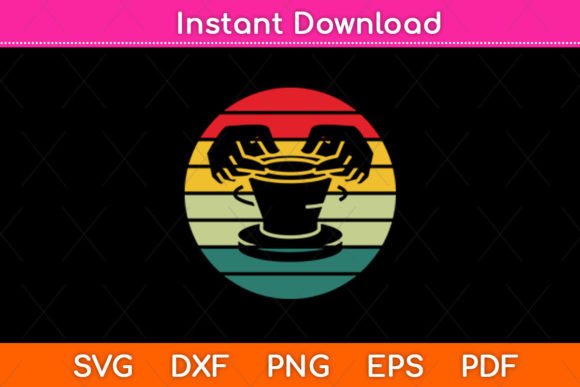
The visual personality of this design is undeniably cozy. It evokes the tactile feeling of handmade ceramics, earthy glazes, and artisanal craftsmanship. For those of us in the Crafts category, this retro kiln theme taps into a current market trend that favors nostalgia and warmth over sleek modernism. The shapes appear fluid yet defined, which is generally a positive sign for digitizing. Sharp, jagged vectors often cause puckering or registration issues in embroidery, but the rounded, pottery-inspired silhouette suggests a natural flow for satin stitch borders and fill stitch interiors.
However, because this is originally a Graphics asset for cutting, we must be vigilant. Cutting files prioritize clean outer edges for blades, whereas embroidery files require internal structure and pathing logic. Before loading this into your machine software, you have to assess if the detail level is appropriate for needle and thread. A design that looks beautiful as a wall decal might become a dense, bulletproof patch of thread if the internal details are too intricate for standard 40-weight rayon or polyester threads.
Real-World Application: Stitching a Custom Market Tote
To truly evaluate this design, I envisioned a specific project: a custom embroidered tote bag for a local farmers' market vendor. This scenario tests durability, visual appeal at a distance, and fabric compatibility. Canvas tote bags are a staple for any craft business or Etsy seller, but they present unique challenges due to their coarse weave and lack of stretch.
In this real-life application, the Ceramic Retro Kiln Pottery Svg Design serves as a central branding element. I imagined placing the pottery motif on the lower third of a natural canvas bag, using warm terracotta, sage green, and cream thread colors to mimic actual kiln-fired glazes. The retro aesthetic aligns perfectly with the handmade product vibe customers expect at artisan markets. However, stitching onto canvas requires careful stabilizer selection. Because the design likely contains curved elements representing the pottery shape, using a heavy-duty cut-away stabilizer is non-negotiable to prevent the fabric from pulling inward and distorting the circular geometry of the kiln or pot shape.
For this tote bag project, I would also consider converting parts of the design into an applique design. Instead of filling the entire pottery shape with thousands of stitches, using a piece of textured linen or cotton fabric for the main body of the pot, secured with a running stitch and finished with a satin stitch border, would reduce stitch count significantly. This makes the finished product softer, faster to produce, and more visually interesting through mixed media textures.
Navigating Fabric Challenges and Hoop Limitations
While the tote bag scenario is ideal, this design demands caution when applied to other substrates. If you plan to use this for sweatshirt embroidery or baby embroidery, the rules change. Stretchy knits and delicate baby clothes cannot handle high stitch density. If the original SVG contains fine lines meant for vinyl weeding, attempting to stitch them as running stitches on jersey knit can result in fabric tearing or tunneling.
I advise checking the smallest details before committing to apparel. Tiny lettering or thin decorative accents within the pottery illustration may need to be simplified or removed entirely for small hoop sizes. On a baby onesie, a dense retro pottery graphic could be uncomfortable against skin. In such cases, scaling the design down might cause small elements to disappear or merge. Always test on scrap fabric first. This step is crucial for maintaining professionalism and ensuring customer trust; nobody wants to receive a personalized gift where the embroidery feels like armor or the design is unrecognizable.
Dark fabrics also present a challenge. Retro designs often rely on subtle color variations to create depth. On black or navy garments, these nuances can get lost unless you adjust your thread colors for higher contrast. Conversely, on white fabric, ensure your underlay is sufficient to prevent the fabric grain from showing through lighter thread colors. This attention to fabric texture and background contrast is what separates hobbyist output from commercial embroidery quality.
Commercial Viability for Makers and Sellers
For Etsy sellers and small shop owners, the versatility of the Ceramic Retro Kiln Pottery Svg Design is a major asset, provided it is adapted correctly. Beyond apparel, this motif works exceptionally well for home decor items like pillow covers, tea towels, and kitchen aprons. These items typically use stable, woven fabrics that are forgiving for detailed embroidery work. The retro pottery theme naturally complements kitchen and dining aesthetics, making it a strong candidate for holiday embroidery collections or wedding gifts for couples who love cooking.
From a business perspective, this design offers excellent mockup potential. Even before you stitch a single sample, you can create printable mockups using the original SVG to gauge customer interest. Test whether the design resonates in digital product previews before investing time in digitizing. However, always confirm licensing terms. Just because a file is sold for crafts does not automatically grant permission for commercial embroidery or the resale of digitized versions. Protect your craft business by verifying that your usage rights cover both physical finished products and digital design assets if you plan to sell the embroidered file itself.
Essential Designer Notes for Successful Execution
Before you begin your next embroidery project with this graphic, keep these practical guidelines in mind to ensure a high-quality result:
- Verify Compatibility: Since this is sold as a cut file, ensure you have the proper software to convert or trace the SVG into an embroidery format compatible with your specific machine brand.
- Density Check: Inspect the design for areas that may be too dense for garment wear. Use density reduction tools in your digitizing software if necessary to maintain fabric drape.
- Thread Color Planning: Retro palettes can be complex. Create a physical thread chart mapping to match the digital colors accurately, especially if aiming for a specific vintage ceramic look.
- Stabilizer Matching: Pair the stabilizer weight to the fabric, not just the design. Lightweight tear-away for woven tea towels, cut-away for stretchy sweatshirts, and adhesive spray for caps or difficult hooping.
- Detail Simplification: Be prepared to edit. Remove microscopic details from the original vector that will not register clearly in thread. Less is often more in embroidery clarity.
- Wash Testing: If creating items for frequent washing like aprons or baby bibs, wash-test your sample to ensure the stitch type holds up and the design doesn't distort after laundering.
The Ceramic Retro Kiln Pottery Svg Design holds genuine promise for embroiderers willing to bridge the gap between digital graphics and textile art. Its nostalgic charm and organic forms are perfect for today’s handmade market, but success lies in technical adaptation. By respecting the limitations of thread and fabric, and by treating this vector asset as a starting point rather than a final destination, you can transform a simple cut file into a stunning, professional-grade embroidered product that delights customers and elevates your brand.