Field Day 2024 SVG Cut File: An Embroidery Review
As a professional designer who bridges the gap between digital graphics and textile art, I approach every new asset with a specific question: will this actually translate to thread? When evaluating the Field Day 2024 SVG Cut File, my perspective shifts from screen to stitch. While this product is marketed primarily as a digital download for cutting machines, its vector-based nature makes it a compelling candidate for embroidery digitizing. For fellow Etsy sellers, apparel decorators, and craft business owners, understanding how this graphic behaves in a real-world production environment is crucial before listing it as part of your custom apparel or handmade product lineup.
First Impressions: Visual Mood and Vector Integrity
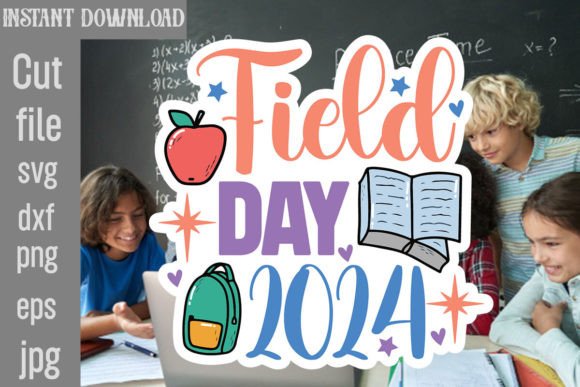
Upon opening the .zip file, the immediate advantage is the inclusion of an EPS vector file alongside the standard SVG, DXF, and PNG formats. For embroidery designers, the EPS is the gold standard. Unlike raster images that require manual tracing, the clean lines in this Field Day 2024 SVG Cut File suggest a design that was built with geometric precision. The aesthetic evokes a nostalgic, energetic vibe perfect for school events, summer camps, or retro-inspired boutique merchandise. The layout feels balanced, avoiding the cluttered complexity that often plagues novice designs. This visual clarity is promising for digitizing because it implies distinct shape boundaries, which are essential for creating clean applique designs or defined satin stitch borders without excessive underlay compensation.
Real-World Application: The Custom Sweatshirt Test
To truly judge this asset, I mentally placed it into a current client project: a batch of custom embroidered sweatshirts for a local elementary school’s annual field day. In this scenario, the design needs to be legible from a distance and durable enough for playground wear. The bold shapes inherent in this graphic make it an ideal candidate for a hybrid approach. I envision using the main silhouette as an applique design to reduce overall stitch density, keeping the garment soft and wearable. The internal details could then be rendered with running stitch or light fill stitch accents.
For small shop products like tote bags or baby embroidery items, this design offers versatility. The transparent 300 DPI PNG included in the download serves as an excellent reference for color matching thread colors against fabric texture. If you are creating personalized gifts or holiday embroidery items, the "2024" element adds timely relevance, but the core graphical elements possess enough timeless charm to remain sellable as vintage-style assets in future seasons. For commercial embroidery projects, this balance of trendiness and classic structure helps maintain brand consistency across different product types, from caps to kitchen towels.
Navigating Fabric Variables and Hoop Constraints
However, practical experience dictates caution. Not every surface welcomes this design equally. When planning sweatshirt embroidery on heavy fleece, the design’s open areas may require additional stabilizer to prevent puckering around dense stitch zones. Conversely, if you are adapting this for baby clothes or thin knit tees, you must be vigilant about stitch density. A design optimized for vinyl cutting might have intricate corners that, when converted to satin stitch, could perforate delicate fabrics. Always test on scrap fabric first.
Curved surfaces present another challenge. If you intend to use this as an embroidered patch for caps or hats, verify that the aspect ratio fits your specific hoop size without distortion. The horizontal spread typical of "Field Day" typography can be tricky on curved cap fronts. You may need to separate the text from the graphical icon during the digitizing process to ensure proper registration. Additionally, consider the end-use care. Products requiring frequent washing, such as tea towels or nursery decor, demand secure edge finishing. Ensure any applique elements have adequate tack-down stitches and that running stitch details aren't so fine that they unravel after laundering.
Elevating Product Value and Customer Trust
Using a high-quality vector source like the Field Day 2024 SVG Cut File directly impacts the perceived value of your finished product. Crisp edges and intentional spacing signal professionalism to buyers. When customers see clean embroidery rather than jagged, auto-digitized messes, their trust in your craft business increases. This is particularly vital for Etsy sellers competing in saturated markets. A well-executed translation of this graphic into thread demonstrates technical mastery.
Furthermore, the included high-resolution PNG is invaluable for creating printable mockups and digital product previews. Before you even thread a needle, you can overlay the design onto garment templates to gauge visual appeal and buyer engagement. This allows you to validate whether the design resonates with your target audience for custom apparel or boutique branding before investing time in physical sampling. Consistent presentation across your listings, using the same high-quality source art, reinforces your brand identity and makes your shop look cohesive and established.
Critical Designer Notes for Safe Implementation
Before adding this to your next embroidery project, please adhere to these practical guidelines derived from professional workflow standards:
- Verify Licensing: The product description confirms this is a digital download for crafts and graphics, but you must confirm the specific license terms regarding commercial embroidery. Ensure you are permitted to sell finished physical products or if the license restricts usage to personal projects only.
- Digitize, Don’t Auto-Convert: Do not rely on automatic software conversion from SVG to embroidery file formats. Use the EPS or SVG as a template to manually digitize or professionally redigitize the design. This ensures appropriate stitch types, pull compensation, and trim jumps.
- Check Small Details: Inspect the design at actual print size. Any element thinner than 1mm may need to be thickened or converted to a running stitch to avoid needle breaks or thread bunching.
- Contrast Testing: Review the design in black and white mockups to ensure it reads well without relying solely on color contrast. This is essential for tonal embroidery on dark fabric.
- Stabilizer Selection: Match your stabilizer to both the fabric and the design density. A design with large fill stitch areas requires different support than one composed primarily of outline stitches.
- Mockup Accuracy: When using the PNG for digital previews, apply realistic fabric textures and shadows. Misleading mockups lead to returns; accurate representations build long-term customer loyalty.
Final Thoughts for Makers and Sellers
The Field Day 2024 SVG Cut File represents a strong foundation for creative entrepreneurs looking to expand their inventory. Its clean vector construction respects the technical requirements of textile decoration, provided the user applies proper digitizing judgment. Whether you are crafting a personalized gift, stocking up for craft fair season, or fulfilling a bulk order for custom apparel, this asset offers the flexibility needed for diverse applications. By treating this graphic not just as a cut file but as a blueprint for quality needlework, you elevate your output from simple crafting to professional design. Remember, the best embroidery projects begin with respect for the source material and end with meticulous attention to the physical realities of thread and fabric.