Teacher Class Sign PNG: An Embroidery Designer’s Review
As a professional embroidery digitizer and product reviewer, I approach every new graphic asset with a specific question: will this actually stitch out well on fabric? When evaluating the Teacher Class Sign PNG for potential use in my studio, I am looking beyond the screen. While this product is marketed as a digital file for cut files or printables, its clean lines and thematic relevance make it a compelling candidate for conversion into a machine embroidery design. For fellow Etsy sellers, craft business owners, and apparel decorators, understanding how a flat graphic translates to thread is the difference between a frustrated customer and a five-star review.
First Impressions and Design Aesthetic
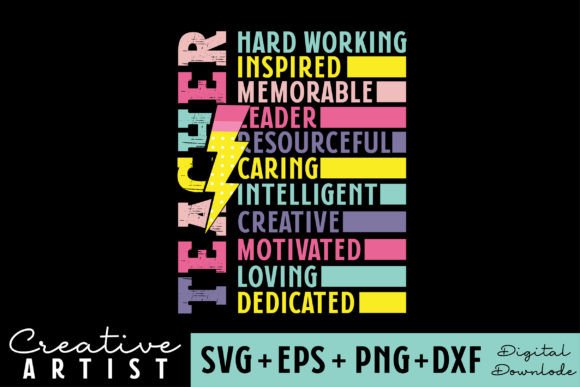
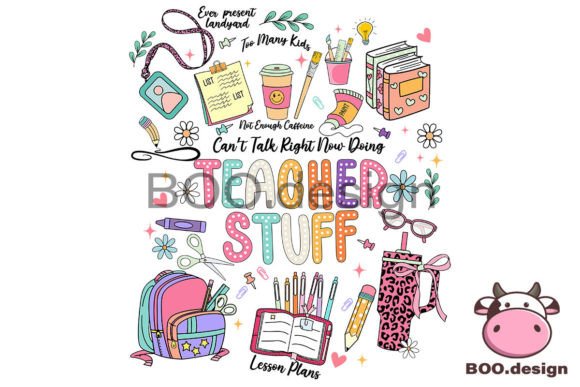
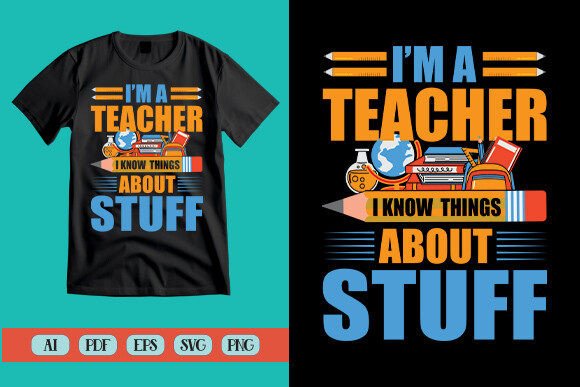
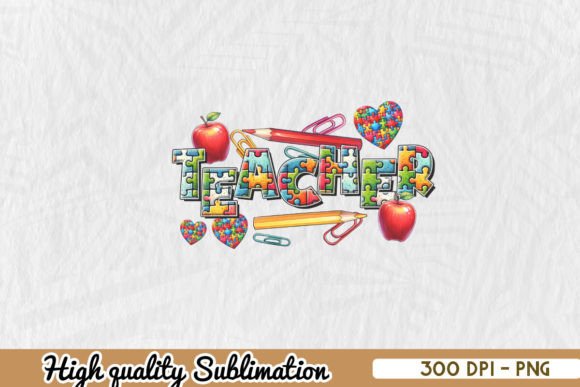
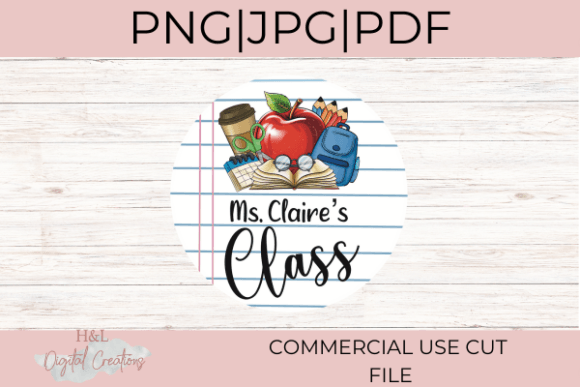
Upon opening the Teacher Class Sign PNG, the first thing I notice is the visual clarity. The design features bold, recognizable shapes associated with education, likely including elements like apples, books, pencils, or chalkboard frames. From a graphics perspective, this is excellent for sublimation or vinyl. However, from an embroidery standpoint, this high contrast is exactly what we need. Detailed, sketchy illustrations often get lost in stitching, but the solid shapes in this Teacher Class Sign PNG suggest it could be beautifully adapted into an applique design or a combination of satin stitch borders with fill stitch centers.
The mood is undeniably warm and appreciative. It feels personal rather than institutional, which is crucial for personalized gifts. When I visualize this on a finished product, I see it resonating with parents wanting to thank a favorite educator or teachers looking for custom apparel that feels stylish rather than generic. The layout appears balanced, which is vital when hooping; asymmetrical designs can cause pull issues if not digitized with proper compensation, but this sign format suggests a stable center of gravity.
Real-World Application: The Custom Tote Bag Test
To truly evaluate this asset, I mentally placed it into a real-life production scenario: creating a premium canvas tote bag as an end-of-year gift. Tote bags are a staple handmade product for teachers because they are practical and offer a large, flat embroidery area. Using the Teacher Class Sign PNG as the base, I would envision converting the main sign shape into a felt applique to reduce stitch density and add texture. This technique prevents the "bulletproof" feeling that comes from over-digitizing large areas.
For the text within the sign, such as "Best Teacher Ever" or a specific name, I would assess the font weight. If the PNG features thin, trendy script, I would advise caution. In sweatshirt embroidery or canvas projects, running stitch lettering under 4mm can disappear into the fabric weave. I would likely adapt the typography to a slightly bolder column stitch or satin stitch to ensure legibility. This adaptation process is where the value lies for commercial embroidery projects; you aren't just buying a picture, you are buying a blueprint for a textile application.
In this tote bag scenario, the design serves as a focal point. It elevates a basic blank item into a boutique-quality piece. For small shop products, this kind of recognizable, thematic art builds brand consistency. Customers trust sellers who understand that teacher appreciation items should look polished and durable, not hastily stitched.
Navigating Fabric Challenges and Technical Limits
While the Teacher Class Sign PNG has strong potential, experienced makers know that context dictates success. Not every fabric is suitable for this specific aesthetic. If you are planning baby embroidery, such as a bib or onesie, the design size must be scaled down significantly. Here, detail is the enemy. Complex corners or tiny decorative accents present in the original PNG might need to be simplified or removed entirely to prevent needle perforation on delicate knits.
Textured fabrics like terry cloth tea towels or fleece blankets also require strategic planning. The high-resolution details visible in the JPG file will not translate directly to pile fabrics. In these cases, I recommend using a water-soluble topping to keep the stitches from sinking. Conversely, if you are working with stretchy performance wear for custom apparel, the stabilizer choice becomes critical. A design with heavy fill stitch areas, common in sign graphics, can distort lightweight polyester if not properly supported with cut-away backing.
I must also address the limitation regarding dark fabrics. Since the provided files are standard PNG and JPG formats without transparency specifications mentioned for embroidery layers, users must verify how the background interacts with dark garments. If the sign includes a white background box, it will stitch as white fabric or thread unless edited. For dark sweatshirts or caps, you may need to isolate the foreground elements in your digitizing software to create a seamless integration with the garment color.
Impact on Product Value and Customer Perception
Using a cohesive graphic like the Teacher Class Sign PNG across multiple product lines creates a professional narrative. When an Etsy seller offers matching items—a mug, a shirt, and a patch—all derived from the same high-quality source art, it signals attention to detail. This consistency increases perceived value. Buyers are more likely to purchase a bundle or return for future holiday embroidery needs when they recognize a distinct style.
Furthermore, clear, well-executed embroidery fosters trust. Nothing devalues a handmade product faster than puckering fabric or illegible text. By treating this PNG as a starting point for careful digitizing rather than a final destination, you protect your reputation. The visual appeal of a crisp, well-defined teacher sign communicates professionalism. It tells the recipient that their contribution is valued enough to warrant a high-quality, custom-made token.
Essential Notes for Makers and Digitizers
Before you load this design into your machine or list a finished item in your shop, please consider these practical steps derived from professional experience:
- Verify Licensing: The product description mentions use for shirts, cups, and signs, but always confirm if the license covers commercial embroidery of physical goods versus digital resale. Protect your craft business by knowing your rights.
- Test Stitch Out: Never run a new design on a final product first. Use scrap fabric that matches your intended project's weight and texture. Check for registration issues between the applique material and the satin stitch borders.
- Assess Stitch Density: If converting this PNG yourself, aim for lower density in large fill areas to maintain fabric drape. High-density graphics feel stiff and can warp the garment after washing.
- Check Hoop Size Compatibility: Ensure the design dimensions fit comfortably within your hoop with adequate margin for stabilization. Crowding the hoop leads to tension problems.
- Contrast Testing: View the design in black and white before stitching. If the values are too similar, the embroidery will look muddy. Adjust thread colors to ensure the sign pops against the fabric background.
- Mockup Accuracy: When creating printable mockups for listings, use realistic textures. A flat digital preview can be misleading. Show customers how the Teacher Class Sign PNG actually looks as a textured embroidered patch or stitch-out.
Ultimately, the Teacher Class Sign PNG is a versatile asset for the creative entrepreneur. Whether you are a hobbyist making a single gift or a commercial embroidery shop fulfilling bulk orders for a school district, success lies in respecting the medium. Thread behaves differently than ink. By applying thoughtful design judgment and technical preparation, you can transform this digital graphic into a cherished, tangible tribute that honors educators with the quality they deserve.