Science Teacher Black Board PNG: An Embroidery Review
As a professional embroidery digitizer and product reviewer, I approach every new graphic asset with a specific question: will this actually stitch out well, or is it just a pretty picture? When evaluating the Science Teacher Black Board PNG for real-world application, my focus shifts immediately from screen resolution to stitch pathing. This design captures a distinct academic nostalgia that is currently trending in the education niche, but translating a high-resolution digital graphic into a tactile machine embroidery design requires careful consideration of texture, density, and end-use.
First Impressions and Visual Personality
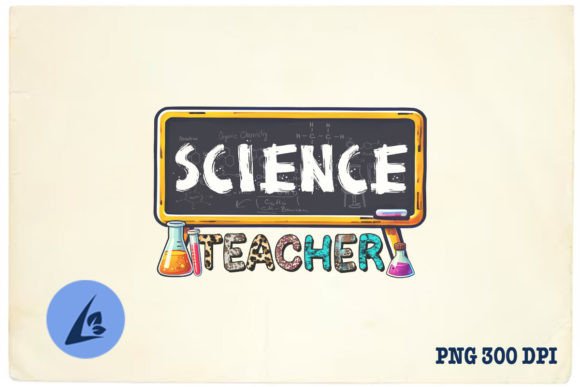
Upon opening the Science Teacher Black Board PNG, the first thing that strikes me is the contrast. The classic chalkboard aesthetic relies heavily on negative space and fine white lines against a dark background. For an Etsy seller or craft business owner, this visual shorthand is powerful. It instantly communicates "education," "science," and "vintage classroom" without needing excessive text. However, as an embroiderer, I see immediate challenges and opportunities. The mood is scholarly yet playful, making it ideal for teacher appreciation gifts, departmental merchandise, or personalized lab gear. The layout suggests a rectangular or shield-like boundary, which naturally lends itself to patches, pocket placements, and centered chest designs on custom apparel.
Translating Pixels to Stitches: The Digitizing Reality
While this product is listed under Graphics and Crafts as a high-resolution PNG perfect for printables and iron-on transfers, its utility for embroidery depends entirely on how you interpret the file. A PNG is a raster image, not a native embroidery file. If you are planning to use this for stitching, you must either manually digitize it or use it as a template for an applique design. Trying to auto-digitize a chalkboard texture often results in a dense, bulletproof patch of thread that ruins the drape of a garment.
For a successful embroidery project, I recommend treating the black board element as a fabric appliqué rather than a full fill stitch area. Using a piece of actual black cotton or felt for the background reduces stitch density significantly and adds authentic texture that thread cannot replicate. The scientific diagrams, formulas, or text elements should then be rendered in satin stitch or running stitch to mimic the look of chalk. This hybrid approach preserves the vintage feel while ensuring the finished product remains soft and wearable.
Real-World Application: The Teacher Tote Bag Test
To truly evaluate this design, I mentally placed it on a canvas tote bag design intended for a high school chemistry teacher. Totes are a staple handmade product because they offer a stable, non-stretchy surface that forgives minor tension issues. In this scenario, the Science Teacher Black Board PNG serves as a bold centerpiece. The dark background of the design pops exceptionally well against natural or cream-colored canvas, creating high visibility from a distance.
However, if I were adapting this for sweatshirt embroidery, specifically on a fleece-lined crewneck, I would adjust my strategy. Fleece has a high pile that can swallow fine details. The delicate "chalk" lines in the original PNG might get lost. Here, I would thicken the line work during the digitizing process and perhaps add a subtle border to contain the design. This ensures the science theme remains legible even after washing and wear. For baby embroidery or items requiring frequent laundering, this specific chalkboard aesthetic might be too harsh or detailed; it is better suited for adult commercial embroidery projects or decor where the texture can be appreciated up close.
Critical Considerations for Fabric and Hoop Size
Not all substrates are created equal when working with dark-background graphics. When using the Science Teacher Black Board PNG as a guide for stitching, you must consider the base fabric color. Stitching a black fill onto a black shirt creates a tonal effect that looks sophisticated but requires precise lighting to photograph for printable mockup listings. Conversely, stitching it onto white fabric requires a solid backing to prevent show-through.
Hoop size selection is equally critical. This design likely contains small text or intricate molecular structures. If you attempt to shrink this down to a 2-inch logo for a cap or sleeve, those details will turn into mud. I advise keeping the design above 4 inches in width to maintain clarity. For curved surfaces like caps, the rectangular shape of a blackboard can cause registration issues. You may need to warp the design slightly or choose an arched variation to accommodate the curve without distorting the scientific accuracy of the imagery.
Furthermore, stabilizer choice dictates success. Because this design involves a potential appliqué layer plus top stitching, a cut-away stabilizer is mandatory for knits to prevent puckering. For woven fabrics like tea towels or aprons, a tear-away may suffice, but only if the stitch count is kept low through smart digitizing choices.
Commercial Viability and Professional Presentation
For digital product sellers and makers, the value of this asset extends beyond a single stitch-out. The clean lines and recognizable theme make it excellent for branding. A consistent visual identity across design assets builds customer trust. When listing a personalized gift featuring this design, your photos must accurately represent the texture. Avoid over-saturating the black thread in post-production; customers need to see the sheen and dimension of the embroidery, not a flat digital render.
If you are selling the digital embroidery file derived from this PNG, transparency is key. Clearly state whether the file includes the appliqué placement line or if it is a straight stitch design. Buyers looking for small shop product assets need to know exactly what they are purchasing. Always verify the licensing of the original Science Teacher Black Board PNG before incorporating it into products for sale. Just because a file is high-resolution does not automatically grant commercial embroidery rights. Protecting your business means respecting intellectual property while creating unique, transformative handmade goods.
Designer Notes for Best Results
Before committing this design to a final holiday embroidery run or client order, follow these practical steps:
- Test Stitch First: Never skip the sample. Use scrap fabric similar to your final project to check for gaps between the appliqué edge and the satin border.
- Check Contrast: View your digitized file in black and white. If the design relies solely on color to distinguish elements, it will fail in monochrome embroidery. Ensure value contrast exists independent of hue.
- Review Small Details: Any text smaller than 5mm in height should be simplified or removed. Chalk-style fonts often have rough edges that do not translate well to needle penetration points.
- Mockup Verification: Create both light and dark background mockups. This helps you visualize how the design interacts with different garment colors before cutting fabric.
- Thread Selection: Consider using a matte thread for the "chalk" elements and a standard rayon or polyester for the borders. The difference in sheen enhances the realism of the blackboard effect.
The Science Teacher Black Board PNG is a versatile starting point for creative entrepreneurs. Whether you are crafting an embroidered patch for a lab coat or designing a boutique collection for educators, success lies in respecting the medium. By adapting the graphic nature of the PNG into a thoughtful, texture-aware embroidery strategy, you elevate a simple digital file into a premium, tangible product that resonates with buyers and celebrates the art of teaching.