One Merry Teacher Sublimation PNG Review
As a designer who bridges the gap between digital graphics and tactile textiles, I approach every new asset with a specific question: will this actually translate to thread? When evaluating the One Merry Teacher Sublimation PNG, my first instinct is not just to admire the color palette or the festive typography, but to mentally deconstruct it into stitch types. While this file is marketed primarily for sublimation and iron-on transfers, its potential as a foundation for mixed-media embroidery projects is significant. For craft business owners and Etsy sellers looking to expand their holiday inventory beyond standard prints, understanding how this graphic interacts with needle and thread is essential for creating high-value, professional merchandise.
First Impressions: Visual Weight and Stitch Translation
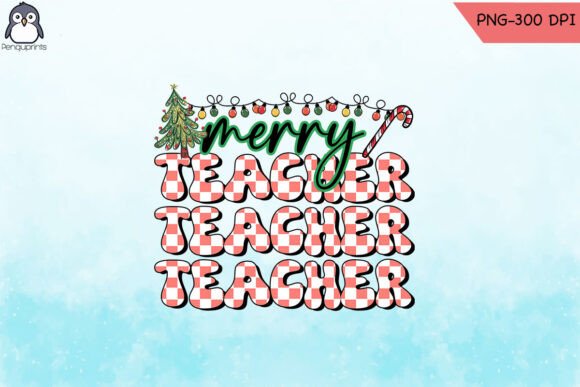
The initial appeal of the One Merry Teacher Sublimation PNG lies in its balanced composition. The layout suggests a cheerful, nostalgic mood that resonates deeply with school staff and parents during the holiday season. From an embroidery digitizer’s perspective, the design offers clear zones of contrast. The lettering appears bold enough to support a satin stitch without collapsing, while the illustrative elements likely possess sufficient negative space to be rendered as fill stitches or applique designs. This visual clarity is crucial. When a graphic is too cluttered, the resulting machine embroidery design becomes dense, stiff, and prone to puckering. Fortunately, this artwork seems to respect the physical limitations of fabric, offering a personality that feels handmade rather than mass-produced.
For those in the Crafts category, this graphic serves as an excellent hybrid asset. It provides the vibrant, full-color background detail that is difficult to achieve with thread alone, allowing you to reserve your embroidery machine for textural accents. This strategy not only reduces stitch count and production time but also elevates the perceived value of the finished product by combining two distinct mediums.
Real-World Application: The Custom Teacher Tote Bag
To truly test the viability of this design, I envision a specific project: a custom canvas tote bag intended as a personalized gift for a retiring educator or a holiday appreciation token. Canvas is a forgiving fabric texture, but it demands precision. In this scenario, I would use the One Merry Teacher Sublimation PNG to create the primary visual field via heat transfer, ensuring the colors remain bright and wash-fast. Then, I would overlay a coordinating embroidery file to outline key elements or add the teacher’s name in a contrasting thread color.
This approach solves a common problem in commercial embroidery. Purely stitched designs on tote bags can sometimes look flat or get lost against the natural canvas grain. By using the sublimation PNG as the base, the bag gains immediate visual impact. The added stitching provides the tactile quality that customers associate with premium handmade products. For an Etsy seller, this combination allows for rapid customization; you can print the base design in bulk and personalize the embroidery portion per order, streamlining your workflow during the busy holiday rush.
Navigating Fabric Variables and Technical Constraints
While the One Merry Teacher Sublimation PNG is versatile, successful execution depends heavily on material selection. Not all fabrics accept both sublimation ink and embroidery needles equally well. You must exercise caution when applying this design to stretchy knits like jersey or performance polyester often used in sweatshirt embroidery. The heat required for sublimation can sometimes distort stretch fabrics, and adding dense embroidery on top can cause tunneling if the stabilizer is inadequate.
For apparel decorators working on dark fabrics, remember that standard sublimation does not show up on black or navy garments unless you are using specialized white-toner printers or sublimation glitter vinyl. If your target market prefers dark holiday apparel, you may need to adapt your strategy. Consider using the PNG merely as a digitizing template to create a standalone machine embroidery design with white underlay, or pair it with white heat-transfer vinyl before stitching. Always verify the licensing terms of the Graphics file before selling finished items, especially if you plan to offer this design across multiple product types in your small shop.
Elevating Product Value Through Mixed Media
The intersection of digital printing and embroidery creates a unique value proposition. A standard printed mug or t-shirt has a low price ceiling. A fully embroidered item has a higher price point but limits color complexity. The One Merry Teacher Sublimation PNG allows you to occupy the lucrative middle ground. When customers see the richness of the printed graphic combined with the raised texture of embroidery, they perceive a level of craftsmanship that justifies boutique pricing.
This duality also enhances brand consistency. If you sell digital embroidery files or printable mockups alongside physical goods, using the same cohesive art style across platforms builds recognition. Buyers trust sellers whose aesthetic is identifiable. Whether you are creating nursery decor, kitchen towels, or holiday patches, maintaining this visual thread ensures your shop looks curated and professional rather than disjointed.
Designer Notes for Professional Execution
Before committing this design to a final product, rigorous testing is non-negotiable. Treat the One Merry Teacher Sublimation PNG as a starting point, not a guaranteed outcome. Follow these practical steps to ensure quality:
- Test on Scrap Fabric First: Never run a new combination of sublimation and embroidery directly on a client’s garment. Verify that the heat press temperature does not scorch the fabric or melt previous stabilizer layers.
- Check Thread Color Contrast: Print the PNG and physically lay thread spools against it. Screen colors often differ from print output. Ensure your chosen thread colors complement, rather than clash with, the printed hues.
- Review Stitch Density: If you are digitizing over the PNG, keep fill stitches light. The ink already provides the color; the thread should provide texture. Excessive density leads to bulletproof embroidery that drapes poorly.
- Confirm Hoop Size and Stabilizer: Mixed media projects often require heavier stabilization than single-technique projects. Use a cut-away stabilizer for stretchy items to prevent the printed area from distorting around the stitches.
- Inspect Small Details: Fine lines in the PNG may not translate to running stitches. Simplify intricate details during digitizing to maintain clarity at smaller sizes.
- Verify Licensing: Before listing any finished product or digital derivative, confirm that the license permits commercial use for both the sublimation file and any associated embroidery assets.
Making Informed Creative Decisions
The One Merry Teacher Sublimation PNG represents more than just a seasonal graphic; it is a tool for expanding your creative capabilities. For the experienced maker, it offers a pathway to faster production without sacrificing the handmade aesthetic that defines our industry. However, success relies on respecting the technical realities of both printing and stitching. By approaching this asset with a critical eye toward fabric behavior, stitch translation, and end-use durability, you can transform a simple digital file into a staple of your holiday collection. Whether you are crafting a sentimental gift or scaling your craft business, thoughtful application of this design will yield results that delight customers and stand the test of time.