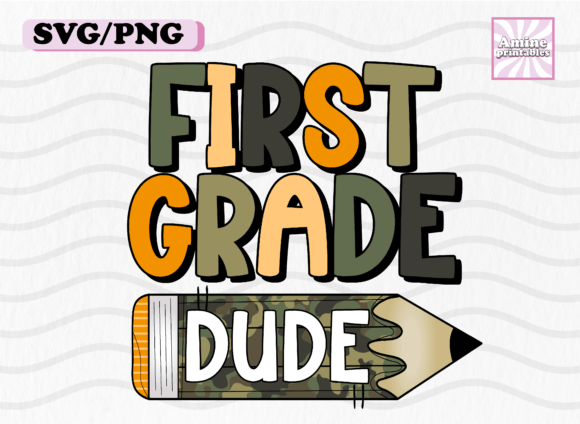
Fourth Grade School Dude Pencil Teacher Review
As a professional embroidery digitizer and product reviewer, I approach every new machine embroidery design with a specific question: will this actually stitch out cleanly on real fabric, or is it just a pretty picture on a screen? When evaluating the Fourth Grade School Dude Pencil Teacher graphic for potential use in my shop, I am looking beyond the cute aesthetic. I am analyzing line clarity, stitch path logic, and commercial viability. This design falls squarely into the Crafts category, but its application as a Graphics asset means it must translate perfectly from digital file to physical thread without losing its charm or legibility.
First Impressions and Visual Personality
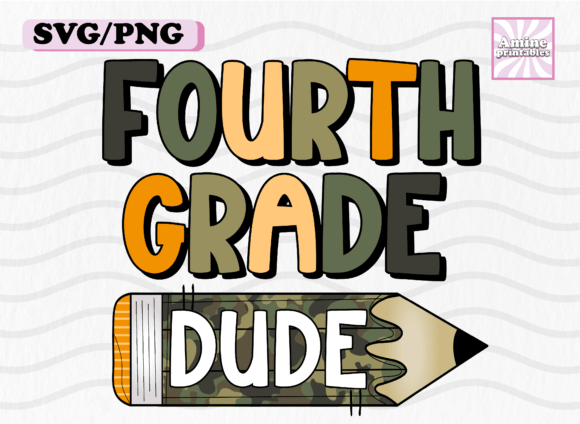
My initial assessment of the Fourth Grade School Dude Pencil Teacher design reveals a playful, nostalgic mood that targets a very specific demographic. The "dude" persona combined with school supplies creates a humorous juxtaposition that appeals to fourth-grade teachers, parents, and even the students themselves. Visually, the layout appears balanced, which is critical for embroidery. A top-heavy or lopsided design can cause hooping nightmares and fabric distortion. This graphic seems to have a solid center of gravity, making it a strong candidate for centered placement on apparel or bags.
The personality here is confident yet approachable. For an Etsy seller or small business owner, this matters because emotional connection drives sales. It does not look like generic clip art; it has a distinct character voice. However, as a reviewer, I immediately check the detail level. Pencil tips and facial expressions on stylized characters can sometimes become muddy when converted to stitches. If you are planning to use this as an applique design, the bold shapes likely work well. If it relies heavily on intricate satin stitch borders or tiny text elements, you will need to verify the minimum size requirements before purchasing the embroidery file.
Real-World Application: The Teacher Tote Bag Test
To truly judge this design, I mentally placed it in a real-life production scenario. Imagine preparing a custom canvas tote bag as an end-of-year gift for a fourth-grade teacher. Canvas is a sturdy fabric, but it has texture. The Fourth Grade School Dude Pencil Teacher design needs to stand out against that weave without sinking in.
In this scenario, I would treat this as a primary focal point rather than a subtle accent. Teachers carry heavy loads, so the embroidery must be durable. I envision using a high-quality tear-away stabilizer underneath and perhaps a light topping if the canvas is particularly coarse. The goal is crisp edges. If the design includes fill stitch areas representing the pencil body or clothing, I would want to ensure the stitch density is sufficient to cover the fabric grain but not so dense that it creates a bulletproof patch that puckers the bag. This balance is what separates a professional handmade product from a hobbyist attempt. Customers trust products where the embroidery looks integrated into the item, not merely stamped on top.
Performance Across Different Substrates
Versatility is key for any commercial embroidery asset. While this design shines on tote bags, how does it perform elsewhere? For sweatshirt embroidery, the fleece texture adds another variable. Sweatshirts stretch, and knits move. You must use a cutaway stabilizer to prevent the Fourth Grade School Dude Pencil Teacher image from warping after washing. The design’s bold lines should hold up well on fleece, provided you avoid excessive jump stitches that could snag.
For smaller items like baby clothes or caps, caution is required. Caps present a curved surface that distorts flat designs. Unless this file was specifically digitized for hats, I would hesitate to use it on structured caps without testing. Similarly, for baby embroidery, safety and comfort are paramount. Dense stitch areas can feel scratchy against sensitive skin. If adapting this for onesies, consider reducing the size or using a lighter fill pattern. Always prioritize the wearer's comfort over visual density.
This design is also marketed for mugs, tumblers, and phone cases. Remember that these are typically sublimation or vinyl applications, not thread. As a digital embroidery file user, do not assume the same file works for UV printing. However, having a cohesive brand across embroidered apparel and printed drinkware increases perceived value. Use the original graphics file for prints and the digitized version for textiles to maintain consistency.
Critical Considerations for Makers and Sellers
Even the best designs have limitations. When working with the Fourth Grade School Dude Pencil Teacher asset, be mindful of fabric color contrast. Yellow pencils on yellow fabric will disappear. You may need to add a dark outline or shadow effect within your embroidery software to create definition on light backgrounds. Conversely, on dark fabrics, ensure the thread colors are vibrant enough to pop. Test stitching on a scrap of your actual project fabric is non-negotiable. Never risk a finished garment without a sew-out verification.
Small text is another common failure point. If the design includes the words "Fourth Grade" or "Teacher" in a small font, verify legibility at your intended hoop size. Serif fonts and thin lines often fail below 0.25 inches. If the text is illegible, the entire personalized gift loses its meaning. In such cases, consider removing the text from the embroidery and adding it via heat transfer vinyl or fabric paint instead. Hybrid techniques often yield better results than forcing tiny details into thread.
Professional Designer Notes for Success
Before you load this design into your machine or list it in your shop, run through this practical checklist:
- Verify Licensing: Confirm whether you have rights for commercial use. Being the first to get a design is exciting, but selling finished products without proper licensing can shut down your craft business.
- Check File Compatibility: Ensure the format matches your machine. Do not assume auto-conversion preserves stitch integrity. Always review converted files in editing software.
- Mockup Testing: Create a printable mockup or digital preview to see how the design scales relative to the garment. What looks good at 4x4 might look lost at 6x10.
- Stabilizer Selection: Match stabilizer weight to fabric weight. Using heavy cutaway on lightweight knit causes stiffness; using tear-away on stretchy fabric causes tunneling.
- Thread Contrast Check: View the design in grayscale on your computer to identify value separation. If you cannot distinguish elements in black and white, they will blend together in thread.
- Wash Testing: If selling custom apparel, wash and dry your test sample. Shrinkage can distort embroidery. Pre-shrinking garments is essential for professional results.
Elevating Your Handmade Business
The Fourth Grade School Dude Pencil Teacher design offers significant potential for makers targeting the education niche. Its success depends entirely on execution. A well-stitched version communicates professionalism and care, encouraging repeat customers and positive reviews. A poorly executed version damages your brand reputation. Take the time to understand the interplay between this specific graphic and your chosen materials.
Whether you are creating a holiday embroidery gift for a favorite educator or stocking your online store with back-to-school merchandise, treat this design as a collaboration between artist and technician. Respect the medium. Adjust densities, choose appropriate stabilizers, and validate your color choices. By applying these professional standards, you transform a simple digital graphic into a cherished, tangible product that celebrates fourth-grade teachers with the quality they deserve. Be the first to get it, but more importantly, be the best at making it.