Cutest Clover in the Patch: A Designer’s Review
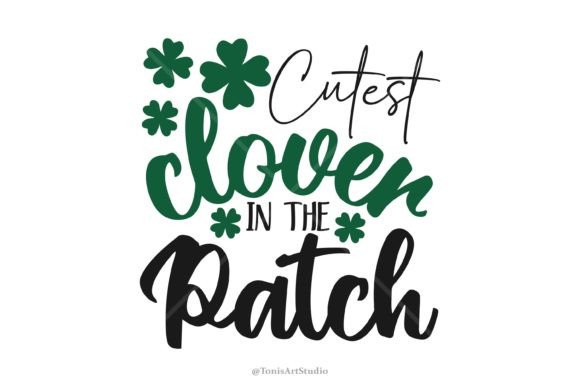
As an embroidery designer who has digitized and tested thousands of files for commercial production, I approach every new machine embroidery design with a healthy dose of skepticism. When I first opened the Cutest Clover in the Patch Svg Png File, I wasn't just looking for a cute graphic; I was evaluating its structural integrity for real-world stitching. The initial impression is undeniably charming. It carries a whimsical, folk-art aesthetic that feels authentic rather than generic. However, in the world of crafts and apparel decoration, visual appeal on a screen must translate to tactile quality on fabric. This review breaks down how this specific embroidery file performs when moved from digital preview to physical product, specifically focusing on its viability for small business owners and serious makers.
First Impressions and Design Personality
The "Cutest Clover" moniker is accurate. The design avoids the stiff, geometric look of standard vector art, instead offering organic curves that suggest a hand-drawn origin. For an Etsy seller or boutique owner, this visual personality is crucial. Customers are increasingly savvy; they can distinguish between mass-produced clipart and thoughtful design assets. The layout is balanced, making it an excellent candidate for center-chest placement on custom apparel or as a focal point on an embroidered patch. As a PNG and SVG bundle, it offers versatility for printable mockups and digital previews, allowing you to market the concept before a single needle pierces fabric. However, the true test lies in the stitch interpretation.
Real-World Application: The Sweatshirt Test
To properly evaluate this file, I mentally simulated a common client request: a St. Patrick’s Day crewneck sweatshirt for a local craft fair. Sweatshirts present unique challenges due to fleece texture and stretch. In this scenario, the Cutest Clover in the Patch Svg Png File needs to function as either a high-quality applique design or a dense fill motif.
If treating this as an applique, the design’s bold outlines are advantageous. They provide clear registration lines for placing fabric pieces, which is essential for maintaining crisp edges on textured fleece. If stitching out as a full embroidery motif, the organic shape allows for varied stitch density. A skilled digitizer or operator would ensure the clover leaves utilize directional fills that mimic natural growth patterns rather than flat blocks of color. This attention to detail elevates a simple holiday embroidery project into a premium handmade product. For my hypothetical sweatshirt line, this design suggests a cozy, nostalgic vibe that pairs perfectly with vintage green thread colors and cream fleece backgrounds.
Navigating Fabric Limitations and Hoop Sizes
While versatile, this design requires strategic planning regarding substrate selection. Not all fabrics are created equal, and the "patch" aesthetic implied by the title suggests a certain density that may not suit every material.
- Textured Fabrics: On terry cloth towels or heavy canvas tote bags, fine details can get lost. You may need to increase the satin stitch width or add a topping stabilizer to prevent stitches from sinking into the pile.
- Stretchy Knits: For baby onesies or lightweight tees, verify the stitch density. If the file is too dense, it will cause puckering or create a "bulletproof" patch effect that drapes poorly. Always use appropriate cut-away stabilizer for knits.
- Curved Surfaces: If adapting this for cap embroidery, the horizontal span of the clover might be problematic. Caps have limited vertical height in the hoop. You may need to resize or rotate the digital embroidery file to fit the curved frame without distorting the aspect ratio.
- Small Hoop Sizes: Before committing to a 4x4 hoop project, inspect the smallest elements of the design. Tiny leaf veins or stem details may require simplification to prevent thread breaks or birdnesting at reduced sizes.
Commercial Viability and Customer Perception
For those running a craft business, the Cutest Clover in the Patch Svg Png File represents more than just a seasonal graphic; it is a potential revenue driver. The duality of the file format supports multiple income streams. The SVG component serves as the foundation for commercial embroidery digitizing, while the PNG facilitates instant digital sales or sublimation products. This flexibility is vital for maximizing ROI on design assets.
From a buyer engagement perspective, this design hits the sweet spot of recognizable tradition and fresh execution. In a saturated market of identical shamrocks, the "cutest" factor provides differentiation. When customers browse your shop, they are looking for items that feel personal. A well-executed stitch-out of this design on a personalized gift like a garden apron or nursery pillow communicates professionalism. It tells the buyer that you understand scale, color theory, and fabric behavior. Conversely, a poorly stabilized or improperly sized version can damage brand trust. The design’s success depends entirely on your technical execution.
Critical Technical Notes for Makers
Before listing any finished product derived from this file, adhere to these professional best practices. These steps separate hobbyists from reliable vendors.
- Verify Licensing: The product description highlights St. Patrick's Day crafts, but always confirm the specific commercial license terms included with your purchase. Ensure you are cleared to sell physical embroidered goods versus digital files.
- Test Stitch Mandatory: Never run this design directly on a final garment without a test. Use scrap fabric similar in weight and weave to your target product. Check for registration errors between outline and fill stitches.
- Thread Color Validation: Screen colors differ from thread sheens. Test thread colors against both light and dark fabrics. A vibrant green that pops on white might disappear on forest green fleece. Adjust contrast as needed.
- Mockup Accuracy: When using the PNG for printable mockups, apply realistic fabric textures and shadows. Flat, floating graphics reduce perceived value. Show the design as it will actually appear on the tote bag design or sweatshirt.
- Detail Inspection: Zoom in to 100% on the digital file. Look for overlapping nodes or jagged vectors that could translate to poor stitch paths. Clean up any artifacts before sending to your embroidery machine.
Final Verdict for Production Use
The Cutest Clover in the Patch Svg Png File is a strong contender for seasonal and evergreen collections alike. Its charm lies in its balance of playful aesthetics and adaptable structure. For the small shop product lineup, it offers excellent potential across categories ranging from baby embroidery to adult fashion accessories. However, its success relies on the maker's willingness to respect technical constraints. Treat it not as a plug-and-play solution, but as a high-quality raw material that requires your expertise to shine.
When executed with proper stabilization, thoughtful thread selection, and appropriate scaling, this design delivers the professional finish that discerning customers expect. It bridges the gap between digital convenience and handmade authenticity. Whether you are creating a one-off personalized gift or stocking inventory for a spring market, this file provides a solid foundation for profitable, beautiful embroidery work. Just remember: the file provides the map, but your machine and materials determine the destination. Always test, always verify, and let the quality of your craftsmanship validate the cuteness of the design.